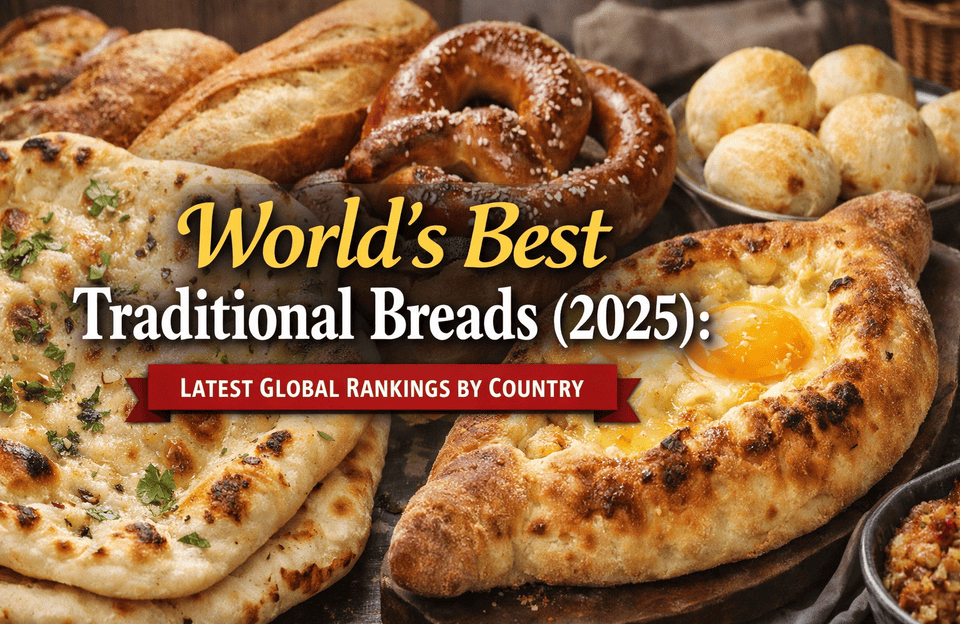
Bread is one of the oldest and most universal foods in human history. From oven-baked loaves to fire-roasted flatbreads, every culture has developed its own version shaped by geography, climate, ingredients, and tradition. In 2025, global interest in traditional breads has surged—not just among food lovers, but also travelers, chefs, and cultural researchers.
This article explores the world’s best traditional breads in 2025, based on globally recognized food rankings, expert reviews, and large-scale consumer feedback. More importantly, this blog is written with complete transparency, so readers understand who ranks these breads, how rankings are formed, and how much trust they deserve.
Transparency Note: How This Bread Ranking Is Compiled
This article is an editorially curated list created for cultural appreciation and food education purposes.
The rankings presented here are not copied from any single platform. Instead, they are compiled by analysing patterns, popularity indicators, cultural significance, and publicly available food research references from global culinary resources such as TasteAtlas and similar traditional food databases.
Rather than reproducing exact numerical positions from any source, this blog organizes breads based on overall global recognition, historical influence, regional impact, and widespread consumer appreciation.
Since food preferences evolve over time and vary by region, this list should be viewed as a celebration of traditional breads worldwide — not as a definitive or absolute ranking.
Disclaimer
This article is intended for informational and cultural appreciation purposes only. Rankings may change over time based on new data, evolving tastes, and regional voting patterns. The descriptions below are written to educate and inform readers about the history, preparation, taste, and cultural importance of each bread.
World’s Top Traditional Breads in 2025
#10 Soda Bread (Ireland)
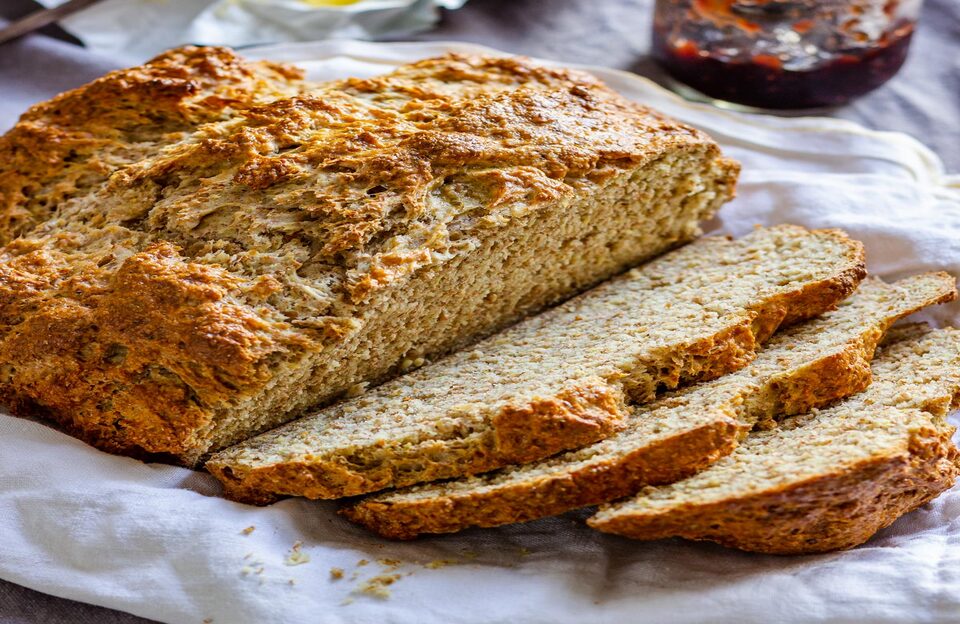
Irish soda bread uses baking soda instead of yeast, giving it a dense texture and slightly tangy flavor. Traditionally made with minimal ingredients, it reflects Ireland’s historical baking practices.
Often served with butter or soup, soda bread represents practicality and comfort, earning its place among the world’s most respected traditional breads.
#9 Pretzel (Germany)
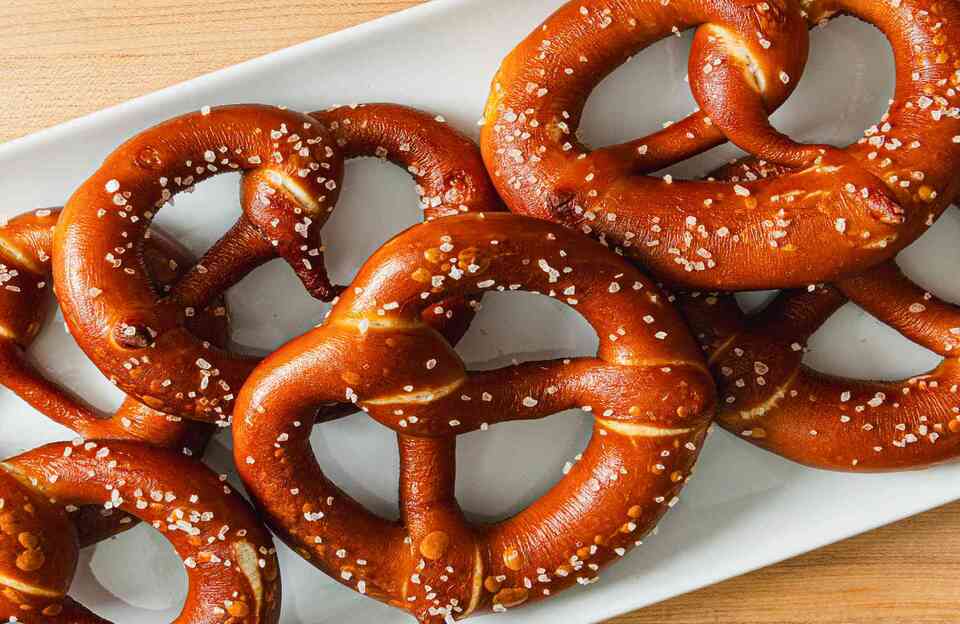
The traditional German Pretzel, or Brezel, is known for its distinctive knot shape and deep brown crust achieved through a lye bath before baking. The interior remains soft and chewy, while the exterior has a firm bite. Pretzels are commonly enjoyed with mustard, cheese, or beer, making them an iconic symbol of German baking culture.
#8 Focaccia (Italy)
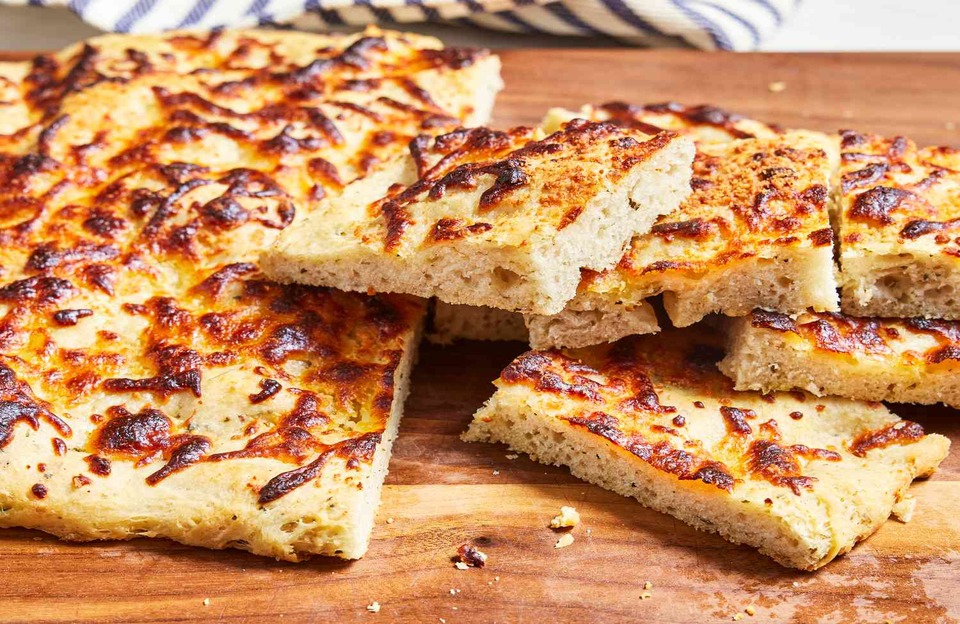
Focaccia is a thick, oven-baked Italian bread infused with olive oil. Often topped with rosemary, olives, or tomatoes, it has a soft interior and slightly crisp surface.
Originating from Liguria, focaccia bridges the gap between bread and pizza. Its richness and aroma make it a favorite accompaniment to soups, salads, and antipasti.
#7 Pita Bread (Middle East)
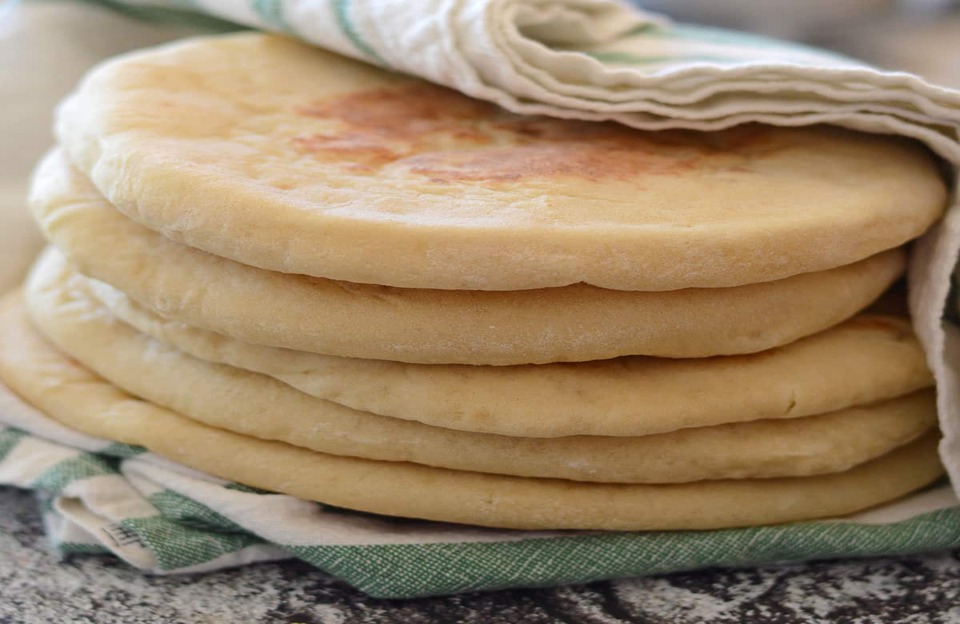
Pita bread is widely known for its pocket-forming structure, which allows it to be filled with meats, vegetables, and sauces. When baked at high temperatures, steam causes the dough to puff up, creating its iconic hollow center.
Soft, slightly chewy, and versatile, pita is a staple across Middle Eastern and Mediterranean cuisines. Its enduring popularity comes from its practicality and compatibility with countless dishes.
#6 Injera (Ethiopia)
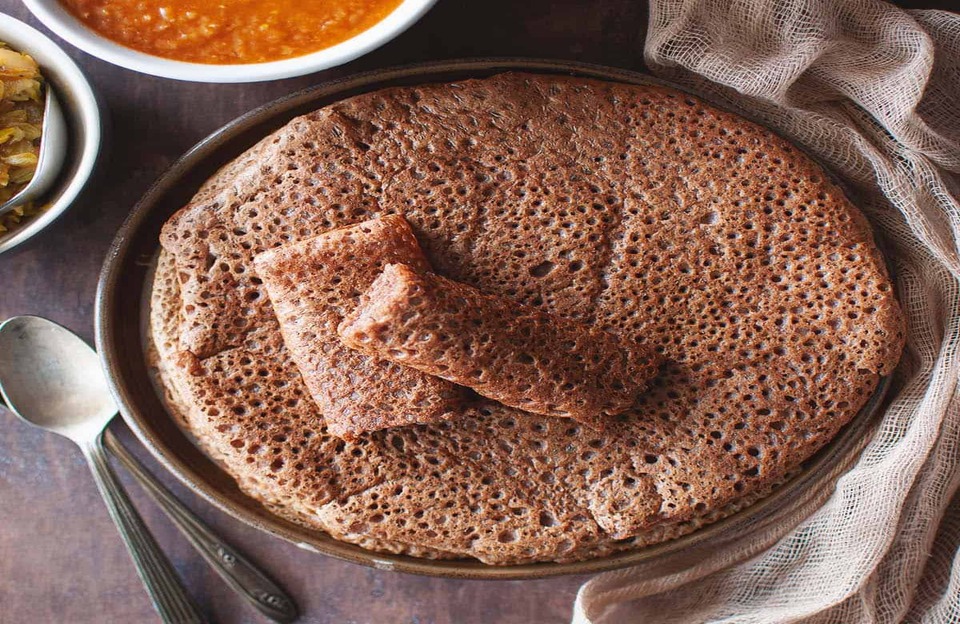
Injera is a sourdough flatbread made from teff flour, native to Ethiopia and Eritrea. Its spongy texture and tangy flavor make it both a bread and an eating utensil.
Injera is traditionally served beneath stews and vegetables, absorbing flavors while holding the meal together. Its fermentation process enhances both taste and nutritional value, contributing to its rising global recognition as a unique and culturally significant bread.
#5 Baguette de Tradition (France)
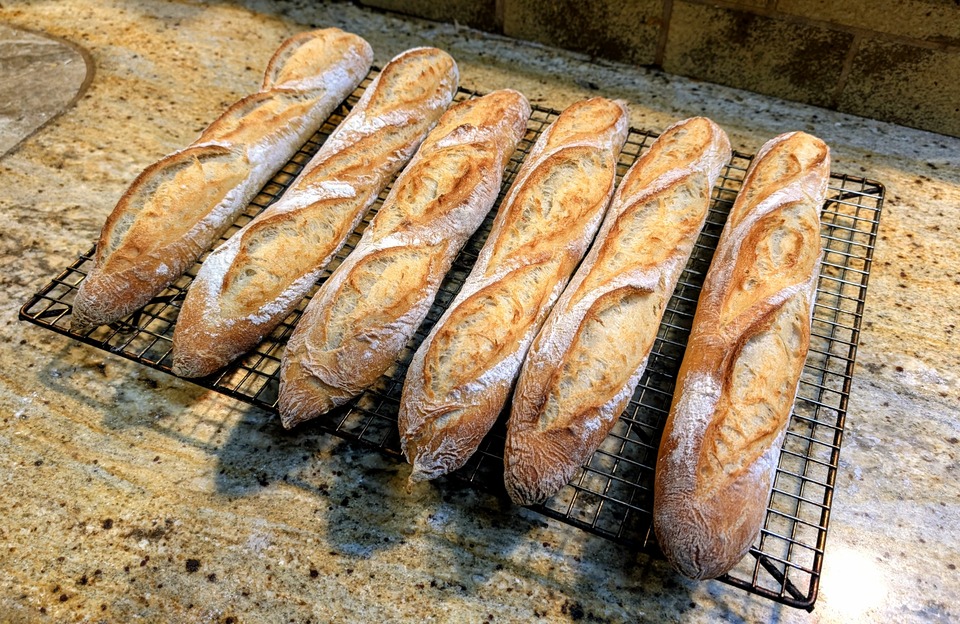
The French baguette remains a timeless symbol of artisanal baking. Made with just flour, water, yeast, and salt, the baguette relies heavily on technique rather than ingredients.
A properly made baguette has a golden, crackling crust and a soft, aromatic crumb. In France, it is commonly eaten fresh the same day, often paired with butter, cheese, or cured meats. The baguette’s ranking reflects not luxury, but mastery of simplicity and tradition.
#4 Pão de Queijo (Brazil)
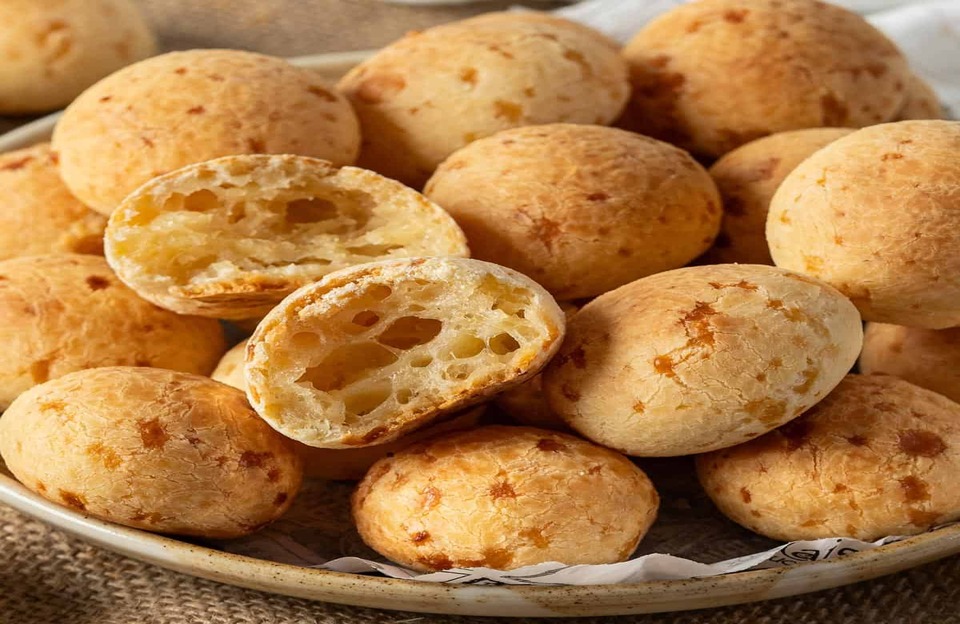
Unlike conventional breads, Pão de Queijo is made from tapioca flour and cheese, making it naturally gluten-free. These small, round cheese breads have a crisp exterior and a chewy, elastic interior.
Popular across Brazil, Pão de Queijo is often enjoyed as a breakfast snack or afternoon bite. Its mild cheesiness and addictive texture have earned it international acclaim, especially among those seeking gluten-free alternatives without sacrificing flavor.
#3 Roti Canai (Malaysia)
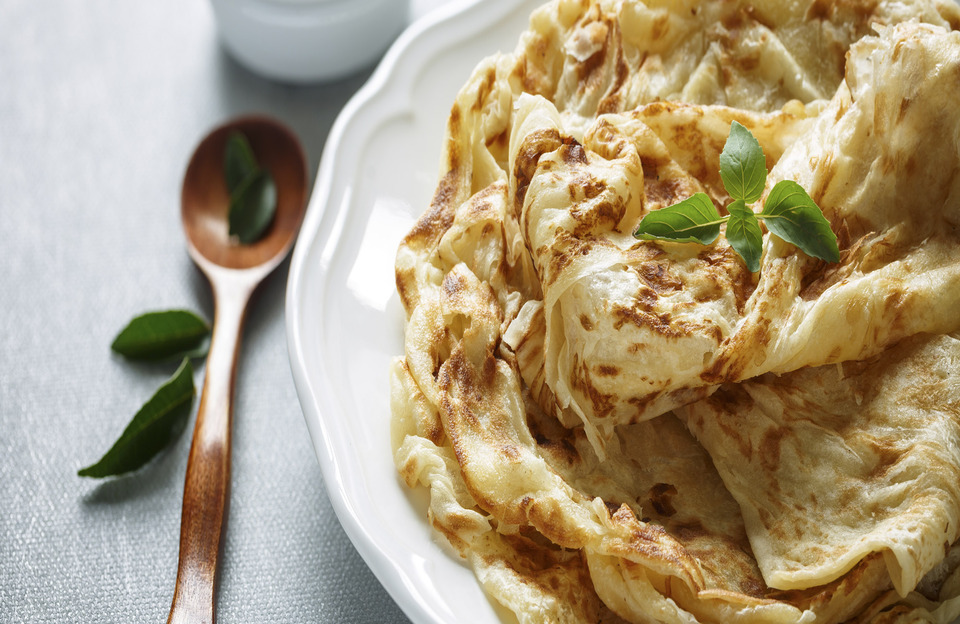
Roti Canai is a flaky, pan-fried flatbread that reflects Malaysia’s rich culinary diversity. Made from flour, water, eggs, and fat, the dough is stretched repeatedly until paper-thin, then folded and cooked on a griddle.
The result is a bread with crispy outer layers and a soft, chewy centre. Roti Canai is traditionally served with lentil curry, chicken curry, or spicy sambal. Its global popularity has grown due to its satisfying texture and adaptability as both a savory and sweet dish.
#2 Pan de Cristal (Spain)
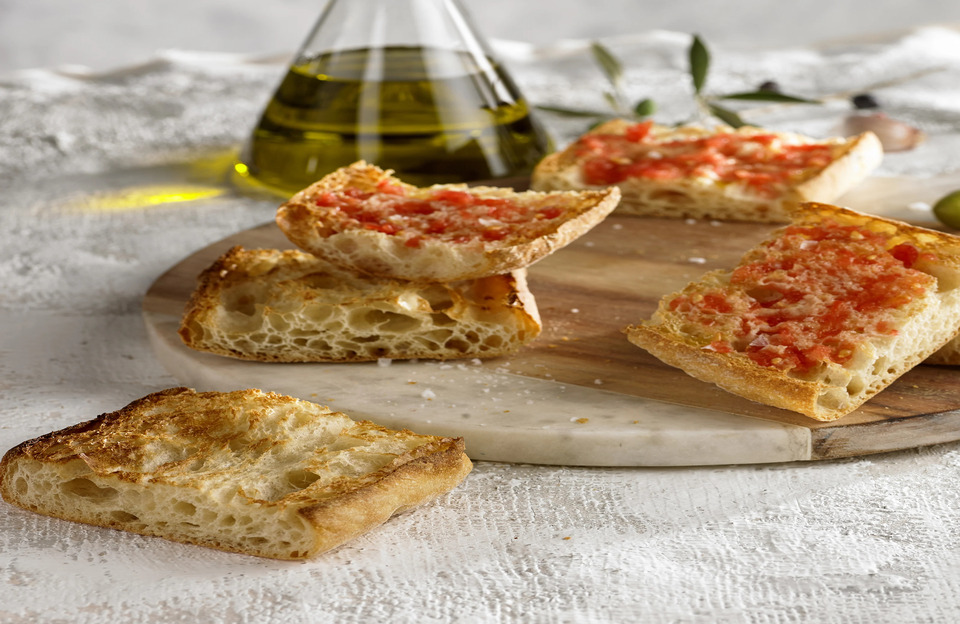
Pan de Cristal, which translates to “glass bread,” is a Spanish masterpiece known for its ultra-crispy crust and light, airy crumb. Despite its rustic appearance, this bread requires precise hydration and fermentation techniques.
The interior is filled with large air pockets, making it incredibly light, while the exterior shatters gently when bitten. Pan de Cristal is most often enjoyed with olive oil, tomatoes, cured meats, or cheese. Its simplicity is its strength—this bread allows high-quality ingredients to shine without overpowering them.
#1 Butter Garlic Naan (India)
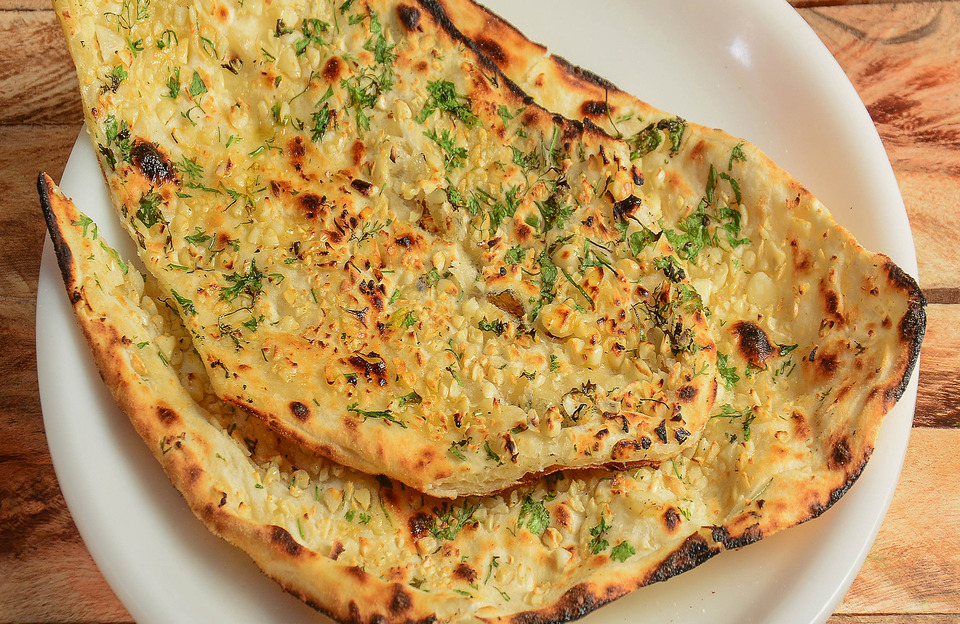
Butter garlic naan continues to dominate global bread rankings in 2025, earning widespread admiration for its rich flavour and versatility. Originating in the Indian subcontinent, naan is traditionally baked in a blazing hot tandoor oven, giving it a slightly charred exterior and soft, airy interior.
The butter garlic version elevates the classic naan with melted butter, minced garlic, and fresh herbs, creating a balance of richness and aroma. It is commonly paired with Indian curries like butter chicken, dal makhani, and paneer dishes. What makes naan stand out globally is its ability to complement bold, spicy flavours while remaining comforting and indulgent.
Why Traditional Bread Rankings Matter
Global bread rankings are not just about taste—they highlight culinary heritage, regional identity, and time-tested techniques. Each bread tells a story of the people who created it and the land it comes from.
In an era dominated by processed foods, traditional breads remind us of craftsmanship, patience, and authenticity.
Final Thoughts
The world’s best traditional breads in 2025 reflect diversity, culture, and global appreciation for simple yet meaningful food. While rankings may evolve, the importance of preserving traditional baking methods remains constant.
Rather than choosing a single “best” bread, these rankings encourage exploration—inviting readers to taste, learn, and respect the traditions behind every loaf and flatbread.
Enjoyed discovering the world’s best breads? Read more inspiring food, culture, and lifestyle stories on Folk Blog World and explore our latest blogs today.